GTA 6 Revolutionizes Mission Design, Fixing Shortcomings of Past Games and Red Dead Redemption 2
Recently, foreign media GamingBolt published an article stating that Rockstar's past works have had film-grade production quality, but the main missions are highly scripted, leaving players almost no room for free play—deviating from the preset flow results in immediate mission failure, with Red Dead Redemption 2 being a typical example. For GTA6, less than six weeks from release, the most noteworthy innovation is not content like the wanted system, store robberies, or radio podcasts, but the opening up of mission design.
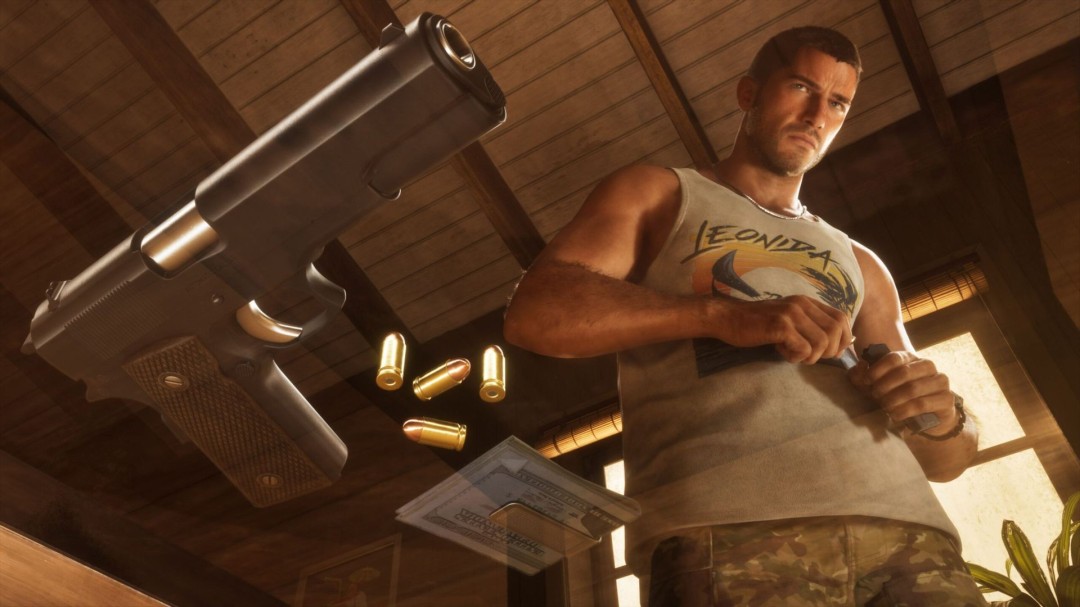
Studio co-head Rob Nelson said in an interview that they still need key plot nodes to reasonably advance the story and will guide the gameplay process, but this installment consciously broadens gameplay freedom without lowering the quality of the experience. For example, the high-rise apartment attack mission has multiple escape routes, and in the police chase after capturing Raul, even if you don't choose the optimal plan and improvise on the spot, no mission failure will pop up. The development team strives to keep mechanisms like wanted status and robberies within missions consistent with the open world's operating logic.
Of course, freedom requires careful balance—too many choices would make it hard to maintain Rockstar's signature cinematic presentation. The team also worked to improve the quality of open-world events, closely tying free-world behaviors to the main narrative, attempting to blur the boundaries between main missions, side missions, and random events, so the open world can offer rich feedback to player actions. For instance, in a pawnshop robbery, players can decide the course of action themselves—whether fleeing by car, fighting off pursuers, or using a railroad crossing to create chaos and escape—generating their own improvised stories with full AAA presentation quality.
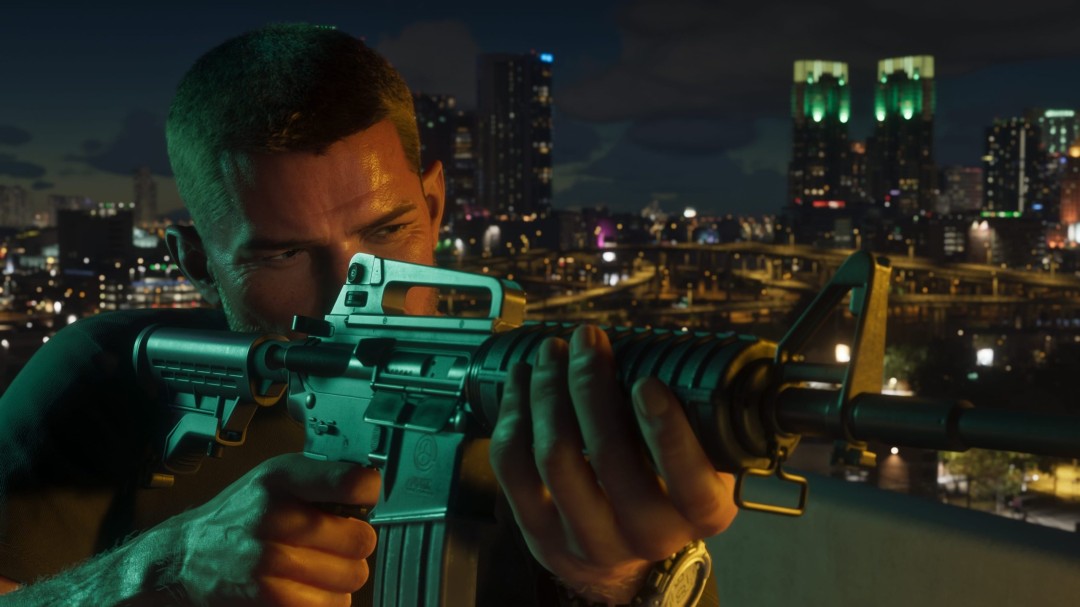
This design not only encourages players to explore the Leonida region to their heart's content, but also greatly enhances the replay value of the main story; including a moderate amount of side content, the playthrough can reach about 80 hours. The author does not believe GTA6 will become an immersive sim, but the development team is not simply fixing the on-rails mission flaws players complained about—they are elevating the entire game on that foundation.
Although this design goal is ambitious and objective limitations will inevitably remain, given the NPCs, interior scenes, and rich gameplay officially shown, the author holds expectations for this design ambition. If the vision can be realized, GTA6 will not only captivate a huge number of veteran players and general audiences, but may also set a brand-new industry benchmark for the open-world genre.